
Coping With Pet Loss, Grief, and Healing After the Death of a Pet
“Until one has loved an animal, a part of one’s soul remains unawakened.”
Anatole France
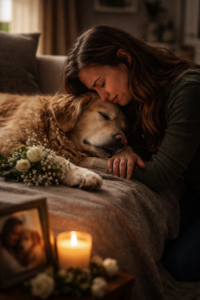 The Deep Emotional Bond Between Humans and Pets
Animals enter our lives quietly, yet the love they leave behind echoes loudly in our hearts.
They come to us as comfort, as adventure partners, as silent witnesses to our tears, and as joyful companions. They curl beside us when we are sick. They wait by the door when we are away or late. They sense our moods without words.
Whether furry, feathered, finned, or scaled, animal companions enrich our lives in ways that feel both ordinary and sacred. For children, caring for a pet may be their first experience nurturing another living being. For adults, pets often become steady anchors through grief, divorce, illness, loneliness, and major life transitions.
If we are fortunate, we share many years together. Dogs may live anywhere from 8 to 18 years depending on breed. Cats often live between 13 and 17 years, with some reaching their twenties. Birds can live decades. Even knowing this does not prepare the heart for the day they are gone.
Coping With Grief and Loss
When Losing a Pet Feels Like Losing Family
Everyone we love is on loan to us, including our pets.
Well loved animals are not accessories. They are family members. For some, our pets are the most consistent companionship we have known. They may be a best friend when our human relationships feel strained or unsafe.
Losing a pet is not almost like losing a family member. It is losing a family member.
The grief process after the death of a pet mirrors human bereavement. There can be shock, denial, anger, bargaining, depression, and eventual acceptance. The house feels quieter. Their food bowl remains untouched. You still listen for their footsteps.
When someone we love dies, we must create a new sense of normal. The same is true after pet loss. Grief becomes a blend of love, sorrow, longing, and gratitude.
Pet Loss Grief Is Valid and Personal
One of the most important things to remember is that you have the right to grieve in your own way.
There is no single roadmap for pet bereavement. You may cry openly. You may feel anger at the unfairness. You may feel numb. You may move through all of these emotions in waves.
Be with people who understand your loss. Avoid those who minimize it by saying you can always get another pet. Animals, like humans, are not interchangeable souls.
Some grieving pet parents report feeling an even deeper loss than with certain human relationships. This is often because bonds with pets can feel free of conflict, judgment, or emotional complexity.
There is no statute of limitations on grief.
A Therapist’s Personal Story of Pet Loss
A therapist who understands grief from both professional and personal perspectives shared this story:
“We adopted Merlin, a schnauzer terrier mix, from a shelter in Florida. He was playful and delighted everyone except our cat Amira. Around age fourteen he developed bladder stones and diabetes. There were frequent vet visits, twice daily insulin injections, and painful decisions about surgery.
Our vet finally told us Merlin’s quality of life would deteriorate rapidly and he likely would not survive surgery. The vet gently recommended a peaceful passing.
My teenage son came with me. We sat beside Merlin as the vet placed the IV in his paw. Moments later his spirit left his body as our tears accompanied him. The vet told us we could stay as long as we needed.”
The Importance of Ritual After the Death of a Pet
Grief asks for expression. Ritual offers a container for that expression.
Some people hold private ceremonies. Others gather loved ones. Some create altars with photos, collars, and candles. Others scatter ashes in meaningful places.
Ritual helps transform pain into remembrance and remembrance into enduring love.
Mindfulness and Healing Resources
Healthy Ways of Coping With Pet Loss Grief
Healing after the death of a pet is a process. Supportive strategies include:
- Practice Self Compassion
Allow all emotions without judgment. - Release Guilt
Remind yourself you made decisions from love. - Prioritize Self Care
Sleep, nutrition, and movement matter in grief recovery. - Seek Supportive People
Be with those who honor your loss. - Remember Joyful Moments
Recall funny habits and shared adventures. - Look at Photos and Videos
Memory keeping can be both painful and healing. - Volunteer With Animals
Transform grief into compassionate action. - Consider Pet Loss Therapy or Grief Counseling
Professional support can help process complicated emotions.
Check out these resources:
These books on pet loss may help to heal your heart.
- 5 Steps to Healing After Your Pet Loss (Tami Hendrix)
You do not have to grieve alone. If you would like support, you are warmly invited to explore my grief therapy resources and reach out for a consultation.
When and Whether to Love Another Animal Again
There is no timeline for welcoming another animal companion.
Opening your heart again does not replace the one you lost. Love expands. It does not divide.
When and if the time feels right, many animals in shelters wait for the same devotion you once gave.
Gentle Support for Pet Loss Grief
If you are grieving the loss of a beloved animal companion, please know you do not have to carry the pain alone.
Pet loss grief can surface old losses, loneliness, or unresolved sorrow. Speaking with a compassionate therapist who understands the depth of the human-animal bond can be profoundly healing.
In our work together, we can create space to:
- Honor your companion’s life
- Process guilt, anger, or traumatic memories
- Navigate anticipatory grief or euthanasia decisions
- Explore rituals of remembrance
- Support your emotional healing at your own pace
If you feel ready for support, you are warmly invited to contact me and learn more about how I can help.
Your grief is real because your love was real. Healing does not mean forgetting. It means learning how to carry the love forward with less pain and more peace.